Whoa!
Phantom is the most popular Solana wallet for everyday DeFi users.
It sits in your browser and makes sending tokens feel nearly effortless.
When I first tried Phantom I was skeptical because browser extensions can be risky, but the UX quickly won me over and I kept digging deeper into its key features.
There are tradeoffs though, and I want to walk through what to watch for, step by step, with practical tips from my own hiccups and small wins.
Seriously?
Most people install extensions without double-checking the source or verifying release notes.
That alone can lead to phishing or fake clones that steal keys.
So, first rule: always confirm the extension source, compare signatures if provided, and prefer official channels instead of random links you find in forums, tweets, or DMs.
Actually, wait—let me rephrase that: prefer the official site or verified store pages, and cross-check the publisher details before you click install.
Okay, so check this out—
Phantom supports Solana native tokens and the SPL standard tokens.
You can swap tokens on-chain, stake SOL, and connect to DeFi apps.
The in-extension swap is powered by Serum and other liquidity sources, which keeps fees low and confirmations lightning fast compared with older chains.
But remember that on-chain swaps still route through liquidity pools and price impact exists, so always check slippage and quoted rates before confirming any trade.
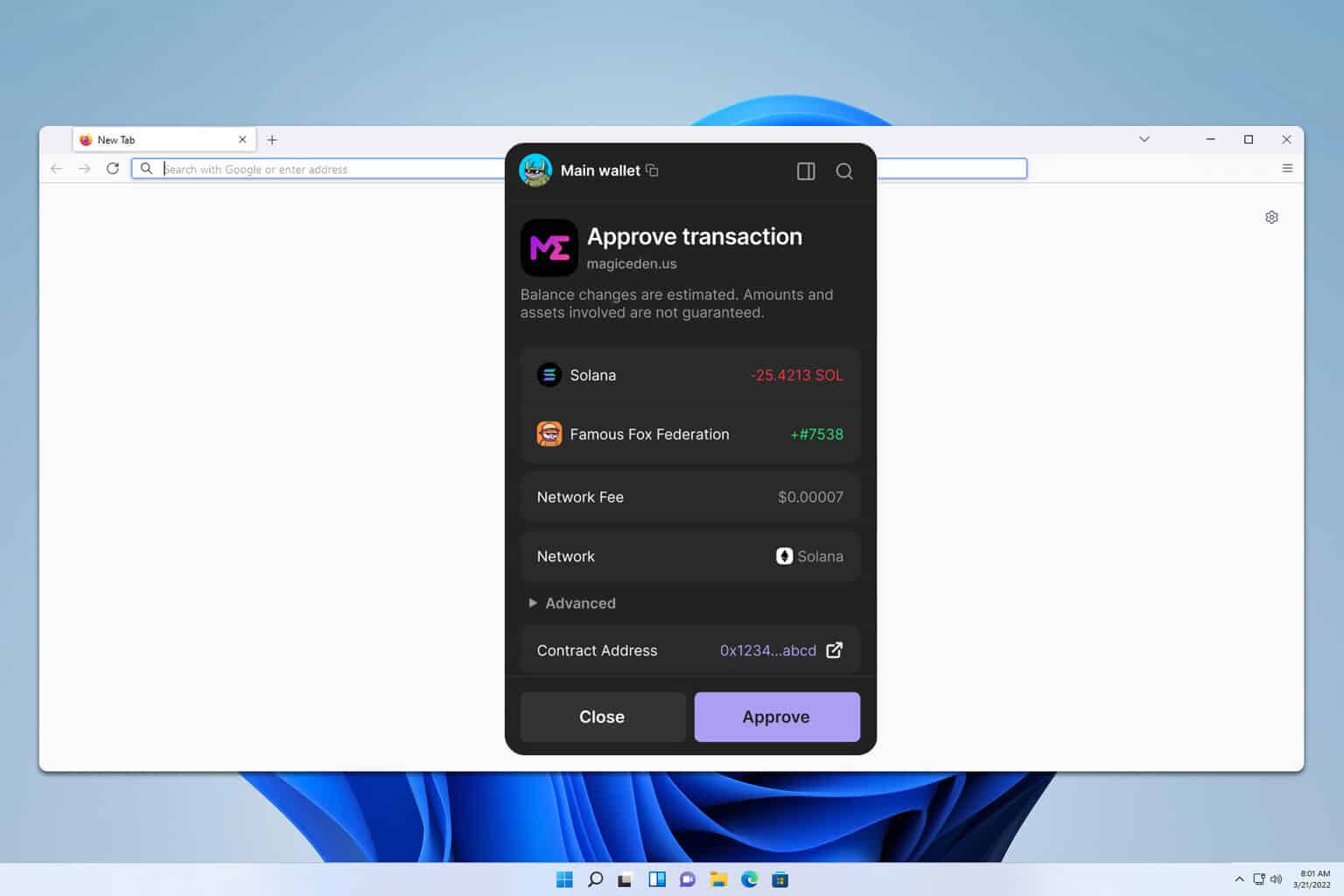
How I actually install and recommend Phantom
Hmm…
Security model relies on seed phrases, local encryption, and the browser sandbox.
Write your seed down offline and split it if you prefer extra redundancy.
I once wrote my phrase on a sticky note and then spilled coffee on it, which taught me to use a metal backup and to test recovery on a spare device before I treat the wallet as untouchable.
On one hand seeds are simple and portable; though actually, storing them digitally or in screenshots invites catastrophic loss and targeted attacks that are very hard to recover from.
Wow!
Phantom now supports hardware wallet integration like Ledger for added security.
That lets you keep private keys offline while using the extension as a UI.
If you pair Phantom with Ledger you still use the extension to view balances and initiate transactions, but the signature happens on the device, which greatly reduces the attack surface for remote malware.
Initially I thought hardware integration was cumbersome; then I spent a week testing workflows and realized the convenience cost is worth the security gain for any meaningful holdings.
Here’s the thing.
Be careful granting permissions to unknown dApps that ask for access.
Revoke approvals you no longer need and check the transaction details each time.
There are malicious contracts that request excessive authority, so when a popup asks to sign multiple transactions or to approve a token with unlimited allowance, pause and research the request before proceeding.
My instinct said something felt off about one approval once, and that hesitation saved me from a rug pull because I dug into the contract address and found an imposter project impersonating a legit token.
I’m biased, but…
UI polish matters because people make mistakes under pressure.
Phantom focuses on clear warnings and transaction previews for that reason.
Still, privacy tradeoffs exist: your extension can see which sites you connect to and which tokens you hold locally, so consider browser profile separation or dedicated windows for wallet activity.
On the other hand, the extension model provides convenience and integrations that mobile wallets sometimes lack, yet I wish there were stronger defaults for privacy without extra user configuration.
Somethin’ bugs me.
The ecosystem still lacks uniform standards for safe token approvals and revocations.
WalletConnect and other bridges help, but they add complexity for average users (oh, and by the way… that UX can confuse newcomers).
Regulation, UX improvements, and better developer education could reduce common phishing vectors and improve recovery options, though aligning incentives across projects will be messy and slow.
Okay, so to use Phantom safely you should combine good habits: hardware for big balances, small daily wallets for spending, constant vigilance, and a habit of updating the extension whenever a trusted release appears.
Want it?
If you want to add Phantom to your browser, use the official download source.
Avoid links from social media DMs or sketchy sites.
For convenience I often point friends to a single reliable page where they can confirm the extension, read steps, and see screenshots before installing, which reduces mistakes and shady copies.
Here’s a place I reference sometimes when helping people install: phantom wallet download extension — follow the instructions there and double-check the store publisher before you approve installation.
Really.
In short, Phantom is handy for Solana DeFi but demands respect.
Treat seed phrases like cash and treat approvals like contracts.
Initially I thought browser wallets were fine for small amounts, but after seeing how easy phishing can be I now separate funds and use hardware for anything I can’t afford to lose.
So test recovery, update regularly, watch permissions, and stay skeptical without being paranoid — it’s a balance that gets easier with practice and community help.
FAQs
Is Phantom safe for beginners?
Yes, for basic use Phantom is user-friendly and secure if you follow best practices: protect your seed phrase offline, enable hardware signing for large amounts, and avoid installing clones. Be cautious, update often, and practice recovery on a spare device.
Can I use Phantom on multiple browsers or machines?
Absolutely. You can install the extension across browsers or machines, but treat each instance as an access point. Use separate wallets for daily spending and long-term storage, and never share your seed phrase across devices unless you control them securely.